Not Just a Hot Box: Giving Your Radiator a Place in the Room
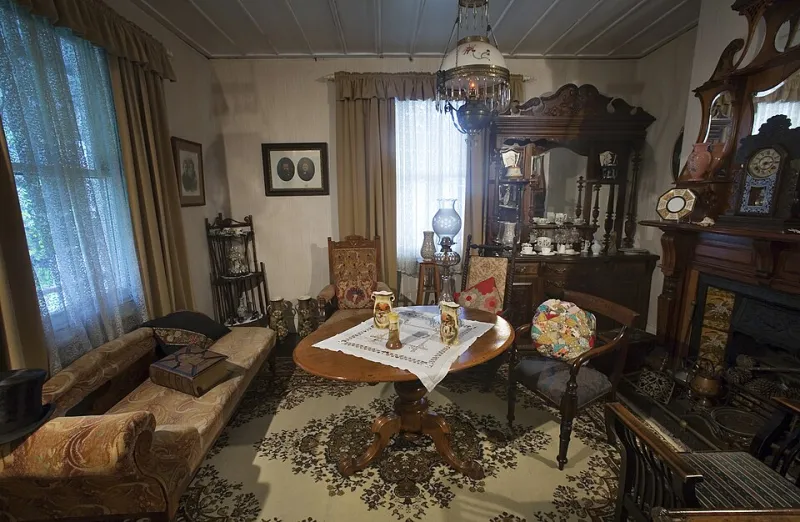
Photo: Dave Roberts , CC BY-SA 2.0, via Wikimedia Commons
There is a particular kind of British design blindness that sets in around a radiator. We notice it when it is cold, we curse it when it is in the wrong place, and then we spend the rest of the year pretending it is not there. It gets painted the same colour as the wall, hidden behind a sofa, or covered with a decorative box that quietly ruins the heat output. None of that is design. It is avoidance.
A radiator is a fixed feature, and fixed features shape a room whether you like it or not. The trick is to stop treating it as an embarrassment and start treating it as part of the composition. That does not mean celebrating pipework like a feature wall. It means making a few deliberate decisions so the heating does not fight the rest of the room.
Start with heat, not looks
Before you paint, box or build around anything, check how the radiator actually works. Most UK homes have either a panel radiator under a window, a column radiator in a hallway, or a heated towel rail in the bathroom. Panel radiators rely on convection: cool air comes in at the bottom, warms up, and rises. If you block the bottom or the top, you reduce the output. A radiator cover with a solid top and a shallow gap is not a neutral choice. It can turn a warm room into a lukewarm one.
If the room is already hard to heat, leave the radiator exposed. If it is oversized for the space, you have more freedom to be creative. That is the first fork in the road, and it is worth being honest about which side you are on.
The paint question
Painting a radiator the same colour as the wall is a reliable way to make it recede. It works especially well in period terraces where the radiator sits below a sash window and you want the window to do the talking. Use a paint suitable for metal and allow it to cure properly before the heating goes back on. A rushed job will blister at the first cold snap.
Painting it a contrasting colour can work, but only if the radiator is in a good spot and the room can carry the extra visual weight. A dark column radiator in a pale hallway can look confident. A bright yellow panel radiator under a kitchen window usually looks like a mistake that cost money.
If the radiator is old, chipped and generally tired, replacing it is often more sensible than painting it. A like-for-like swap in the same position is usually straightforward. Moving it is a different job altogether, and one that involves pipes, floors and a plumber's diary.
Boxing in: when it helps and when it hurts
A radiator cover is not automatically a bad idea. In a hallway, a well-made cover with a slatted top can give you a shelf, hide scuffs and make the space feel finished. In a living room, a cover can double as a console behind a sofa. The problem is the cheap, solid-fronted box that traps heat and collects dust.
If you are going to box in, build in convection. Leave a generous gap at the bottom, use a slatted or grille top, and make sure the cover can be removed for bleeding the radiator. Do not seal it to the wall. Do not put a solid shelf directly above it. And do not expect a cover to solve a cold room. It will not.
Pipework and the art of the small fix
Exposed pipes are part of the deal in many older UK homes, especially where radiators have been moved or added over the years. You have three realistic options: paint them out, box them in, or make them a deliberate detail.
Painting pipes the same colour as the wall is the cheapest and least fussy route. Boxing them in works if the run is short and the box can be neat. Making them a detail is rare, but it can work in a bathroom or utility room where chrome or brushed metal pipes suit the fittings. What rarely works is leaving them half-finished: a white pipe running across a dark wall, or a box that stops abruptly halfway up a room.
Small fixes matter here. A pipe collar, a neatly cut notch in a shelf, a bit of planning around a skirting board. These are the details that make a room feel considered rather than assembled.
Furniture, curtains and the 10cm rule
You do not need to leave a metre of empty space around every radiator, but you do need to let it breathe. As a rule of thumb, keep at least 10cm of clear space above and below a panel radiator, and avoid pushing a sofa hard against it. If you must place furniture in front, choose something with an open back and legs, like a bench or a slim console, rather than a solid upholstered piece.
Curtains are the other silent heat thief. Floor-length curtains that hang over a radiator will trap warm air and send it up the window. Shorten them to sill length, or use a blind, or choose a radiator position that lets the curtain fall beside it rather than over it. In bay windows, this takes a bit of thought, but it is worth it.
Terraces, new-builds and the honest compromise
Period terraces often have radiators in awkward places because the plumbing went in long before the interior design did. New-builds often have smaller radiators in more predictable spots, but the walls are thinner and the heat loss is different. Neither situation is ideal. Both reward a bit of pragmatism.
In a terrace, work with the window wall rather than against it. In a new-build, check the radiator output before you add heavy curtains or a media wall. In a rental, choose deposit-safe moves: a freestanding cover, a slim shelf above rather than around, or a removable screen that does not block convection.
When to call it done
The goal is not to make a radiator disappear. It is to make it feel like it belongs. Sometimes that means painting it out and leaving it alone. Sometimes it means a well-made cover and a shelf. Sometimes it means accepting that the room has a hot box on one wall and planning the furniture around that fact.
A radiator is not glamorous, but it is honest. It tells you where the heat is, where the pipes run and what the room can realistically do. Work with that, and the rest of the room gets easier.