A Chair With Intent: Setting Up a Home Studio Corner Clients Will Trust

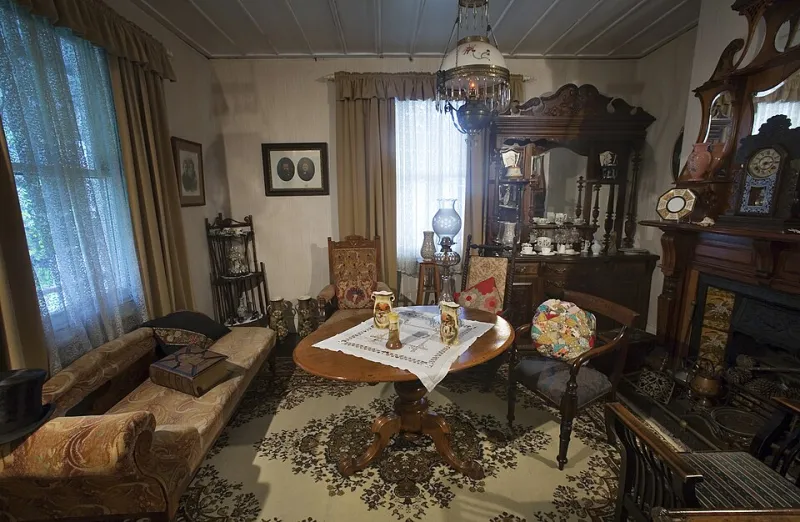
Photo: Dejan Krsmanovic, CC BY 2.0, via Wikimedia Commons
Most home studios are not studios. They are spare rooms with a desk in them, box rooms that double as drying racks, or the end of a through-lounge where the ironing board has quietly taken up residence. That is fine. You do not need a loft conversion or a separate front door to look after clients properly. You need one corner that behaves as if it was meant to be there.
The aim is not to convince anyone you have a Shoreditch office. It is to remove the small, distracting signals that say you cleared the space five minutes ago. A client on a video call, or standing in your hallway for a first meeting, reads the room faster than they read your proposal. The home studio corner has become part of the brand.
Here is how to make one chair and one lamp feel intentional rather than improvised.
Start with the sightline, not the furniture
Before you buy anything, sit where your client will sit. If that is a video call, sit where your camera sits and take a photo of what is behind you. If it is an in-person meeting, stand in the doorway and look in. What does the eye land on first?
If the answer is a laundry airer, a stack of post or the back of a television, move the frame. You do not need a feature wall. A plain wall, a shelf with three considered objects or one framed print will do more than a room full of new furniture. Close the door if the doorway is in shot. Tidy the cable run with Velcro ties so the eye follows your face, not a black snake across the carpet.
The same rule applies to the chair itself. A dining chair with a cardigan draped over it reads as temporary. A simple upholstered chair, or an ergonomic one softened with a neutral throw, reads as deliberate. You are not staging a showroom; you are giving the corner a clear job.
Light the face, not the desk
British daylight is a fair-weather friend. A sash window can be lovely at 11am and useless by 3.30pm in November. If you sit with your back to the window, your client sees a silhouette. If you sit facing it, you get a bright rectangle behind your laptop and a face full of shadow.
The practical compromise is to sit side-on to the window and add one lamp. Not a decorative lamp that looks nice switched off, but an honest one that throws a warm, even light towards your face. A simple table lamp with a linen shade and a warm-white bulb, placed at roughly 45 degrees to where you sit, is often enough. Test it at the time of day you actually take calls. The overhead light alone can make a spare room feel like a dentist's waiting area, so use it sparingly or not at all.
If you meet clients in person, light the chair as well as the desk. A floor lamp behind the client chair can make the corner feel settled, even in a small terraced room. One lamp doing one job well is better than three doing a vague impression of a hotel lobby.
Sound is part of the decor
We talk about how a room looks, but clients also notice how it sounds. A bare box room with a hard floor bounces every keyboard tap and kettle clunk. You do not need acoustic foam tiles. A rug, a curtain, a bookcase and a soft chair will take the edge off. Close the door before calls. Put the washing machine on a delay. Silence phone notifications rather than relying on willpower.
If your street is noisy, a decent headset with a microphone is part of the room's design, not just your kit list. Position your desk away from a radiator that clicks or a door that rattles. These are small moves, but they stop the corner feeling like a corridor with a laptop in it.
Give the corner a brand cue, not a makeover
A client-ready corner does not need your logo on every surface. It needs one or two cues that repeat what your business already stands for. If your brand uses a particular colour, let it appear once: a cushion, a notebook, a mug, a folder for samples. If your work is visual, have one framed piece or a small portfolio within reach. If you are a consultant, a clean tray for client documents says more than a shelf of motivational slogans.
A home studio also benefits from a clear 'landing spot' for the client. A small side table, a coaster and a place to put a coat or bag will do. In a UK terraced house, where the front door often opens straight into the living space, this tiny bit of choreography matters. It gives the visit a beginning, middle and end rather than a tour of your personal life.
The five-minute reset
Before a client call or visit, run the same short routine. Clear the desk to three objects. Wipe the camera lens. Close the door and switch off the overhead light. Put the lamp on and check your face in the camera preview. Silence your phone and put the kettle on if they are coming in person.
None of this requires a big budget. It requires repetition. The corner becomes client-ready because you treat it as a room with a purpose, not a surface for whatever the week has dumped on it.
Just4Design's favourite kind of interior move is the one that removes a decision. One chair, one lamp, one clear sightline and one brand cue. That is not a studio makeover. It is a signal that you thought about the person sitting opposite you — and that is the part clients remember.