Above the Eyeline: The Ceiling as a Brand Decision
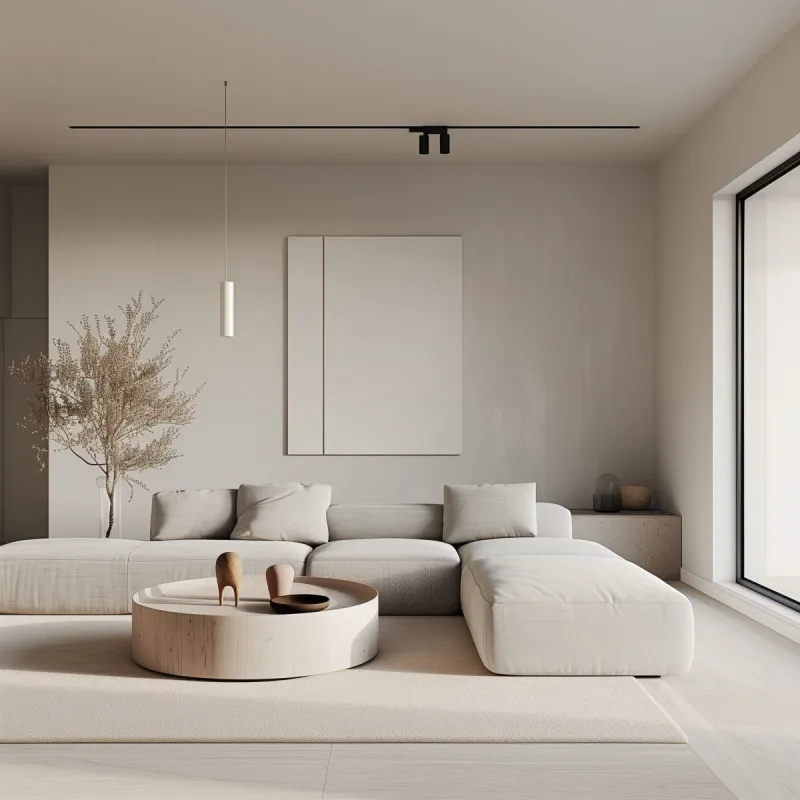
Photo: minimalist independent shop interior ceiling pendant lights warm white walls, via i.pinimg.com
Walk into your premises tomorrow and do one thing differently: look up. Not at the till, not at the window display, not at the queue. At the ceiling. For most small UK businesses it is the last surface to get any attention and the first to be painted a default white. Yet in a compact shop, a treatment room or a studio, the ceiling is often the largest uninterrupted plane in the space. It decides how light behaves, how sound travels and whether the room feels calm or slightly unfinished. Treating it as part of the brand is not about hanging a logo from the rafters. It is about making the whole room feel intentional.
Start with an honest audit
Stand at the doorway, at the counter and in the spot where customers or clients wait. Look up from each position. Note the colour, the condition and the clutter. Are there old cables, a discoloured patch from a historic leak, a tired pendant fitting or a ceiling rose that has been painted over so many times it looks like a relief map? In period buildings, you may be working with cornices, beams or a low Victorian ceiling that slopes in a way no straight-edge will forgive. In newer units, you may have a suspended grid ceiling with tiles that have seen better days.
Take a few phone photos looking upwards. It sounds odd, but the ceiling is hard to judge in the moment because we are so used to ignoring it. The photos will show you whether the surface is helping the room or simply holding it up.
Paint is the cheapest brand move in the room
A ceiling does not need to be white. In a small retail space, a soft off-white or a pale tint that echoes the walls can make the room feel taller and more cohesive. A deeper colour can lower the visual ceiling and create a cosy, cocooning feel, which suits a small studio or a consultation room where you want people to settle. The trick is to decide what you want the ceiling to do: lift, calm, focus or recede.
For shops and clinics, durability matters. Kitchen and bathroom paints are not just for kitchens and bathrooms; they cope with moisture and repeated cleaning. In older buildings, check whether the existing surface needs a breathable finish before you seal it with something modern. And never paint over a damp stain without finding the cause first. In a listed building or conservation area, painting is usually less contentious than structural work, but it is still worth checking with the local authority if you are unsure.
If you rent and the lease says no decorating, do not despair. Lighting and furnishings can do a lot of the heavy lifting, and a removable adhesive hook can hold a lightweight paper lantern or a fabric panel without leaving a mark. Always test on a hidden patch first.
Light is the ceiling's real job
The ceiling is a lighting platform. In too many small businesses, it is a graveyard of inherited fittings: one bare pendant, a tired fluorescent tube and a cable that disappears into a hole. You do not need a full rewiring to improve it. Swapping a cool white bulb for a warm 2700K or 3000K option can change the mood of a room in minutes. A plug-in floor uplight aimed at the ceiling can wash it with soft light and make a rental unit feel far more considered. In a shop, a simple track system or a few well-aimed spotlights can turn the ceiling into a quiet backdrop rather than a distraction.
For clinics and studios, think about glare. A ceiling that bounces harsh light into people's eyes is not calming. Diffused pendants, linen shades and indirect uplighting are usually kinder than exposed bulbs. In a period property, use the existing pendant positions where you can. Chasing new cables into lath and plaster is messy, expensive and rarely necessary.
Sound is part of the brand too
A hard ceiling bounces sound. In a small shop, that can mean a hubbub that feels louder than it is. In a clinic, it can undermine privacy. In a studio, it can make a normal conversation feel echoey. You do not need a recording-studio specification. Acoustic panels, baffles and hanging clouds can be added to a ceiling to absorb some of that energy, and there are rental-friendly options such as freestanding screens and soft furnishings that take the edge off without drilling.
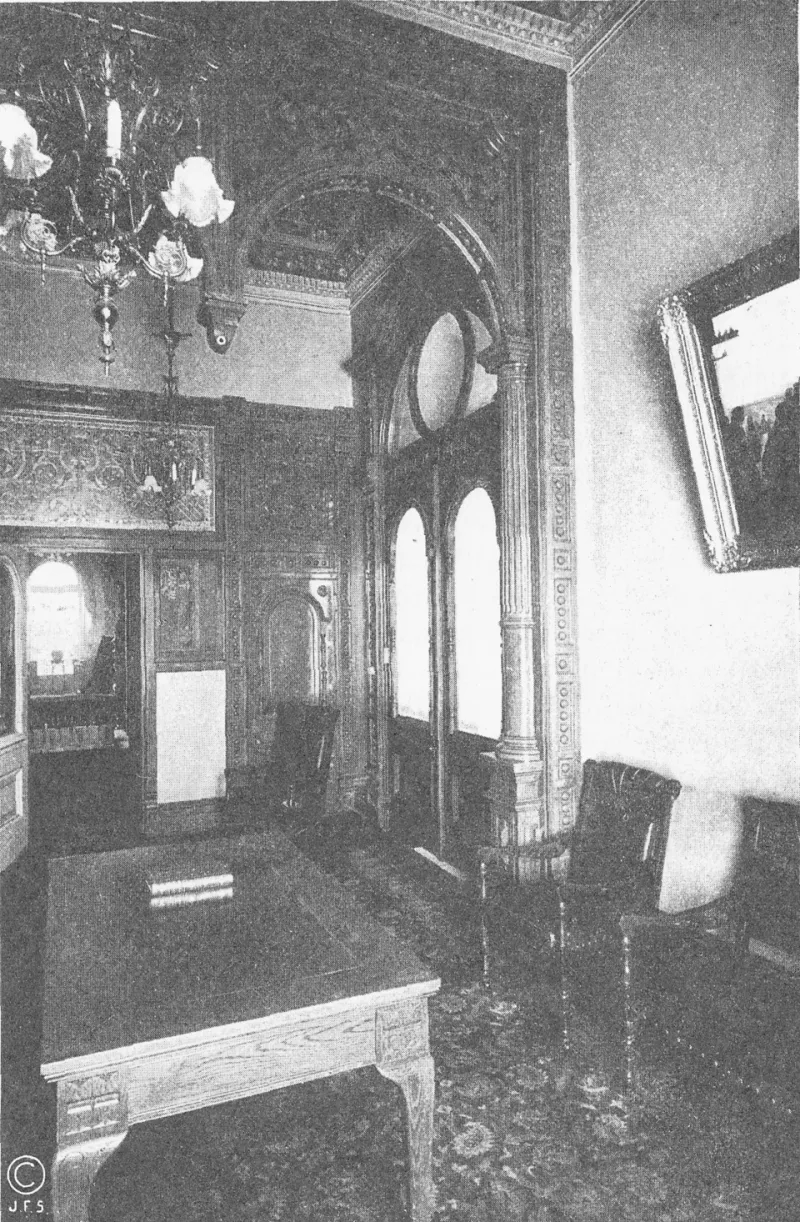
If you are lucky enough to have a period ceiling, do not cover the cornice or the rose with a bulky panel unless you have thought it through. The detail is part of the character. In a modern unit with a suspended grid, lightweight acoustic tiles or a fabric-covered panel can sit within the grid without changing the structure.
Work with the building, not against it
Low ceilings are common in UK high streets and older terraces. The instinct is to paint everything white and hope for the best. A better move is to keep the ceiling uncluttered: tidy the cables, choose a slim fitting, avoid heavy pendants that eat into the headroom. High ceilings are an asset, but they can make a small room feel chilly and distant. A pendant dropped to a sensible height can bring the scale back down and make the space feel more intimate.
In a rented unit, focus on what you can change without permission: lamps, shades, freestanding acoustic screens, rugs and furniture arrangement. If you can paint, choose a colour that connects the ceiling to the walls rather than treating it as a separate white lid. If you cannot, let light do the work.
A short ceiling checklist
Look up from the door, the counter and the waiting chair. Note colour, condition, cables, fittings and any signs of damp. Decide on one change you can make this month: a warmer bulb, a tidy cable route, a sample pot of paint on a board, a freestanding uplight. Then live with it for a week before you do anything else. The ceiling is not the first thing people notice, but it is one of the things they feel. Get it right and the room feels calmer, more coherent and more like you meant it. In 2026, with so many small businesses competing on atmosphere, that quiet surface is worth a second look.