The Ten-Minute Room: What a Waiting Area Owes People on a Wet Tuesday
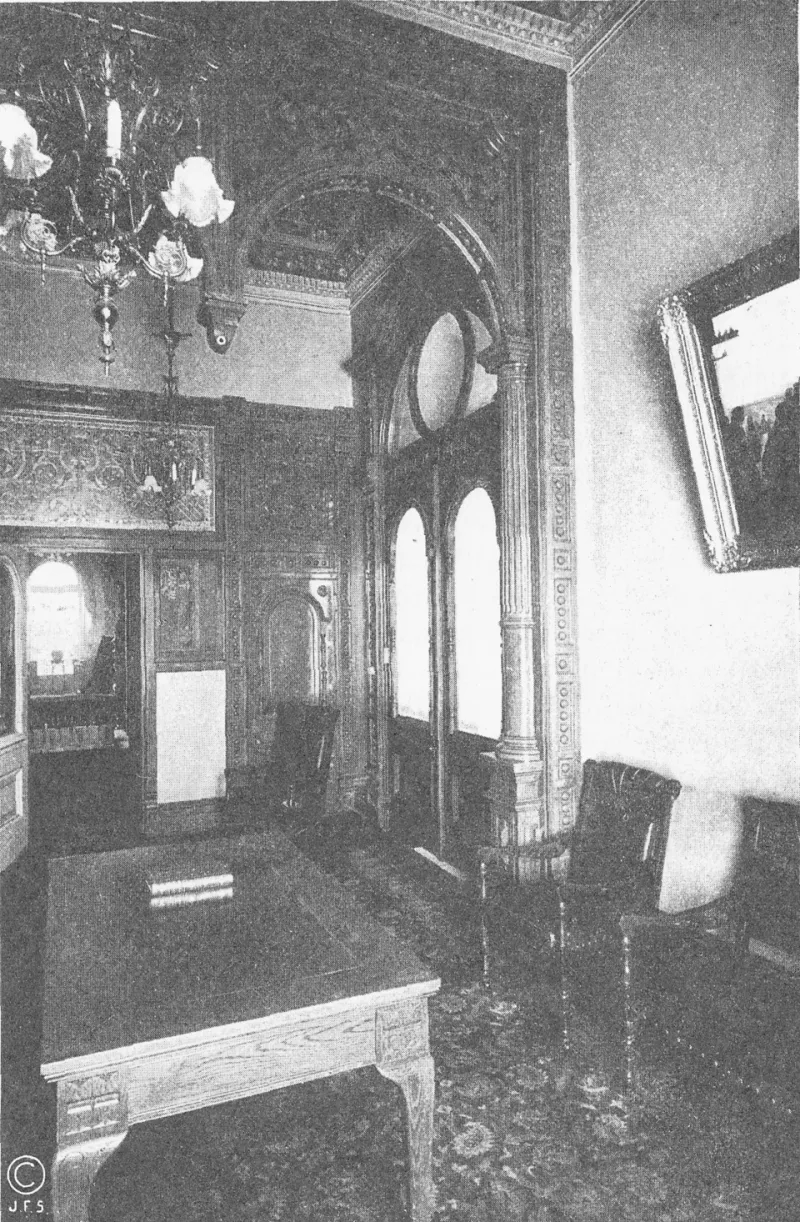
Photo: C. R. Savage Co., Public domain, via Wikimedia Commons
Launch photos are generous. They crop out the wet umbrella, the delivery box and the client who arrives twelve minutes early with a dripping coat. Real waiting areas have to cope with all three, usually at once, usually on a grey afternoon when the light has already given up.
That is the test worth designing for. Not the wide-angle shot with a single stem in a vase, but the ten-minute room: the spot where someone sits with a damp sleeve, a phone at 14 per cent and no clear idea whether they should knock. Get that room right and it stops being leftover space. It becomes part of the brand before anyone has said hello.
Start with the ten-minute reality
Most waiting areas are designed for a wait that never happens. In practice, clients turn up early, meetings overrun and two people end up sitting together when the diary said one. A good starting point is to watch the space for a week and note what actually occurs. Where do coats land? Which chair gets taken first? Does anyone stand because sitting feels awkward? Is there a clear route from the door to the seat without negotiating a display plinth?
The answers are usually less glamorous than the mood board, and far more useful.
Seating that forgives a long morning
A low, deep sofa can look wonderful and feel like a trap for anyone with a bad knee or a short appointment. Waiting seating needs a sensible seat height, a back to lean on and, ideally, arms to help people rise. A bench with a firm cushion often works harder than a pretty occasional chair, especially in a narrow reception nook.
Fabric matters in the UK. Wool, tight-weave upholstery and wipeable surfaces cope better with damp coats and the occasional coffee hand-off than pale velvet. If the space is small, choose two comfortable seats rather than three cramped ones. Nobody feels welcomed by a row of chairs that says queue.
Light for faces, not for photographs
One overhead downlight can make a waiting area feel like a changing room. Layered light is kinder: a warm lamp at shoulder height, a softer ceiling wash and as much daylight as the room allows. If the space is in a listed building or a conservation area, you may not be able to chase cables into walls, but a well-placed plug-in floor lamp and a dimmable bulb can do a lot without touching the fabric of the building.
Aim for warm white rather than icy blue, and check how people look in it. Waiting areas are places where clients make quiet judgements about whether they trust you. Harsh light makes everyone look tired, including the brand.
The small infrastructure that does the quiet work
This is where a waiting area either earns its square footage or becomes a corridor with a plant. A few practical moves make the difference:
- A proper coat hook at the right height, with enough clearance for a wet jacket.
- A shallow tray or lidded basket for umbrellas, not a beautiful vessel that overflows.
- A side table large enough for a phone, a glass and a bag, but not so large it becomes a dumping ground.
- A charging point within reach, with a cable that is not a trip hazard.
- Closed storage for spare loo roll, samples and delivery paperwork, so the visible shelf can stay calm.
Accessibility belongs in this list, not in a separate paragraph. Check the route from the door: is it step-free, wide enough and free of loose rugs? Is there a seat with arms and clear space beside it? Is any written information available in large print, and is the lighting bright enough to read it? Small adjustments signal that you have thought about people who are not you.
Reading material and the sensory edit
A stack of dog-eared magazines is not a brand asset. A small, edited selection is. Put out one local what's-on guide, one design or trade title and a simple folder of past work that is easy to pick up and put back. If children occasionally wait, add a small basket with a couple of books rather than a tablet on full volume.
Sensory details should be almost invisible. A neutral scent, not a candle shop. Background sound low enough that two clients can talk without raising their voices. A room that is warm but not stuffy, especially in winter when wet coats and closed windows conspire against you. These are the things people remember as 'nice' without quite knowing why.
Materials, weather and listed-building sense
British waiting areas live with wet coats, salt-stained boots and low winter light. Hard floors are easier to keep clean, but a washable runner can soften the space without becoming a hazard. Choose materials that can be wiped, vacuumed and occasionally apologised for.
If the building is listed or you rent the space, favour reversible moves: freestanding furniture, plug-in lighting, wall hooks fixed into existing battens, a slim console rather than built-in joinery. Conservation officers are usually more sympathetic to a well-considered freestanding scheme than to a wall that has been drilled in six places. Landlords tend to agree.
A Tuesday-afternoon checklist
Before you sign off the scheme, sit in the waiting area yourself for ten minutes on an ordinary afternoon. Bring a coat and a bag. Check where the light falls, whether the seat is comfortable, whether you can reach a hook without knocking the plant over and whether the reading material is something you would actually open. If you can, ask a client to do the same and watch where they hesitate.
The best waiting areas do not announce themselves. They simply remove small frictions, one by one, until the space feels considered rather than accidental. That is what earns the square footage: not the launch photo, but the quiet Tuesday when someone sits down, dries off and feels briefly looked after.
Just4Design's view is simple. A waiting area is not a holding pen. It is the first room your client experiences, even if it is only a corner. Design it for the weather, the early arrival and the human being in the damp coat, and the brand takes care of itself.