The Delivery-Day Test: Five Checks Before a New Piece Crosses Your Threshold

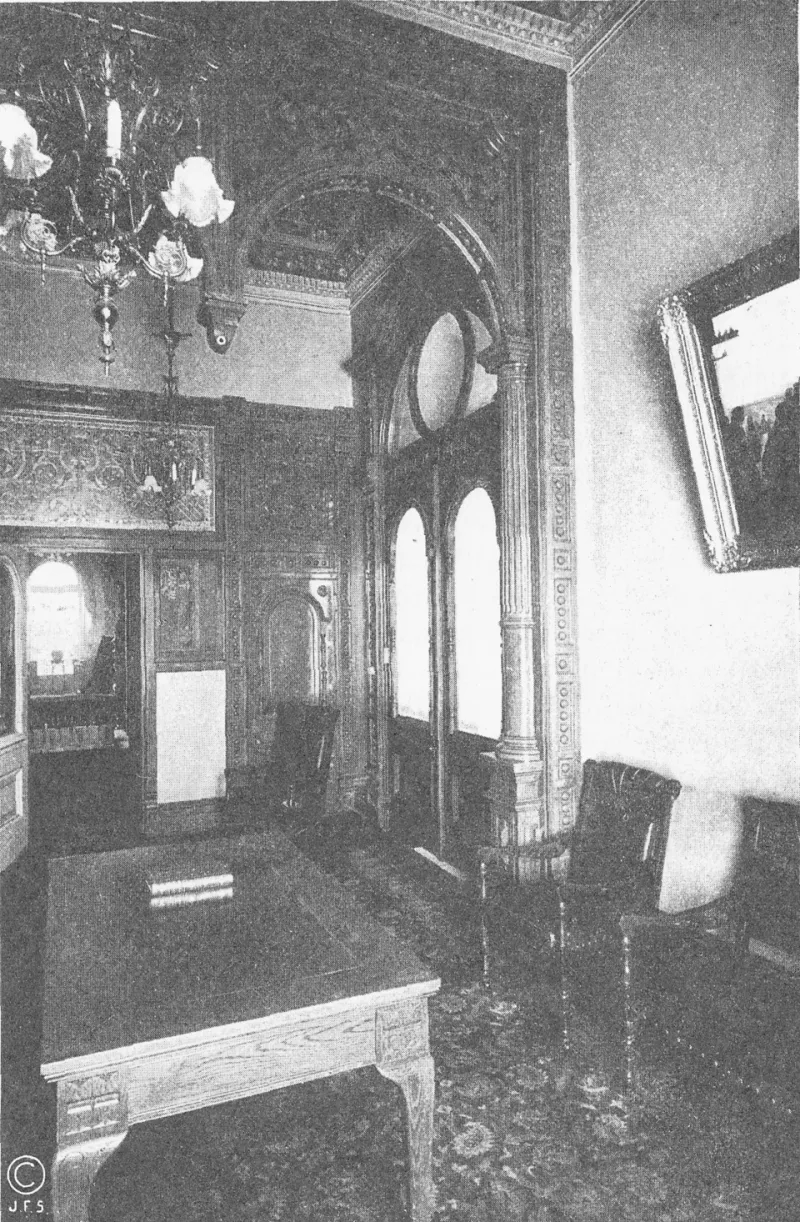
Photo: Dave Roberts , CC BY-SA 2.0, via Wikimedia Commons
Furniture shopping has a way of making sensible people impulsive. The photograph is beautiful, the finish sounds expensive, and the basket is right there. Then the delivery van arrives, two people wrestle a sideboard through a hallway that was never designed for it, and the room quietly refuses to cooperate.
None of this is about being cautious for the sake of it. A good room is allowed to evolve. But before you buy another chair, lamp or sideboard, it is worth letting the room have a vote. Not a veto - just a say. These five questions take about ten minutes and can save you a lot of rearranging later.
1. Does it fit the room, or just the gap you have in mind?
Scale is the first thing to check and the easiest thing to ignore. A piece can be the right width for a wall and still be wrong for the room. Measure the floor space it will occupy, then measure the walking route around it. Can you open the cupboard door? Can you pull a chair out without bruising the radiator? Does it block the natural path from the door to the window?
A tape outline on the floor is old-fashioned advice because it works. Leave it there for an evening. You will quickly feel whether the room has become a corridor. In smaller UK homes - terraces, flats, rooms with a bay window and not much else - height matters too. Check the piece against window sills, alcoves, picture rails and radiators before you fall in love with the finish.
And do not forget the journey in. Will it clear the front door? The hallway turn? The stairwell? If the answer involves removing a door from its hinges, that is not automatically a no, but it is a decision rather than a detail.
2. Will it look right in your light at four in the afternoon?
Showroom lighting is flattering. Your living room in November is not a showroom. A colour that looks warm and rich online can turn flat and gloomy in a north-facing room, while a pale fabric that seems safe can glare in a bright south-facing bay.
Before you commit, look at the piece - or a sample of the fabric or finish - in your own space. Put it near the window in the morning, then beside a lamp in the evening. Notice whether the colour shifts, whether the surface reflects too much, whether the wood disappears against your floor. A chair can be lovely in a Brighton studio and sulky in a north-facing Manchester bay. Light is not a background detail; it is part of the material.
3. Does it suit how you actually live on a Tuesday?
It is easy to buy for the room you imagine and then live in the room you have. Ask who will use the piece and how. Is this the chair for reading in, or the chair that holds the laundry until Thursday? Will children, dogs or visitors with wet coats be near it? Does the sideboard need to store the things that currently live on the floor?
A linen sofa and a labrador can coexist, but not without a conversation about covers, throws and expectations. A slim console table looks elegant until it becomes the dumping ground for keys, post and a bike helmet. Practical does not mean dull. It means choosing the version of the piece that can survive your real life without making you anxious every time someone puts a cup down.
4. Can you keep it looking decent without resenting it?
Maintenance is the quiet deal-breaker. Some fabrics need professional cleaning, some woods need oiling, some metals show every fingerprint, and some rattan seems to attract dust like a hobby. None of that is a problem if you are happy to do the work. It becomes a problem when the care instructions read like a mortgage covenant.
Think about the weekly reality. Will you wipe it, vacuum it, plump it, cover it or avoid it? Removable covers, washable armcaps, felt pads and a good coaster habit can make a beautiful piece much easier to live with. If the answer is that you will never realistically maintain it, choose a finish that forgives you.
5. Does it earn its place in the palette?
You do not need everything to match. In fact, rooms that match too neatly can feel like a showroom rather than a home. But a new piece should relate to what is already there - the rug, the artwork, the wood tones, the wall colour, the thing you bought three years ago and still love.
Ask whether the piece adds something or simply adds up. A bold chair can be brilliant in a calm room. Three bold pieces arguing in a small living room is less brilliant. If the colour is the attraction, check it against the colours you see every day, not just the ones in the product photograph. The best pieces tend to look as if they have a reason to be there, even when that reason is simply that they make the room feel more like itself.
Let the room speak before the van arrives
The delivery-day test is not about talking yourself out of good design. It is about buying with intent rather than pure inspiration. Measure the space, check the light, be honest about daily use, accept the maintenance, and see whether the palette agrees. If the piece passes, you can order it with a clearer head - and a much better chance that it will still feel right long after the packaging has gone.